
Network Infrastructure
The rack is where good cabling either becomes a working network or a maintenance headache. We build server rooms and IDF closets that stay serviceable: clean patching, correct airflow, and documentation you can trust.
A well-built network closet lowers your repair time when something breaks. Predictable patching, labeled uplinks, and a rack layout that respects airflow are the difference between a five-minute fix and a two-hour outage.
We build MDFs and IDFs from an empty room to production: rack install, patch panels, cable management, switch mounting, PDU distribution, and documentation for every port.
What you get
- Racks laid out for airflow, service access, and expansion
- Vertical and horizontal managers dressed properly
- Patch panel to switch mapped and labeled the same way in every closet
- PDUs and power distribution sized to the load
- Room-level as-builts your team can actually use
What we install and support.
Rack build-outs
Two-post, four-post, and enclosed racks assembled and anchored.
Patch panels & switching
Copper and fiber panels mounted, dressed, and labeled.
Switch install
Access, distribution, and edge switching mounted and cabled.
Airflow & cooling
Hot and cold aisle discipline, with blanking panels where they belong.
Labeling & docs
Port maps, uplink diagrams, and rack elevations.
PDU & grounding
Rack PDUs, surge protection, and proper equipment grounding.
Where this work belongs.
We work across commercial property types throughout Tampa Bay and Florida. If your building type isn't listed here, call and ask.
A repeatable process, from walk to handoff.
Room review
Space, power, HVAC, and pathways assessed before anything gets mounted.
Rack layout
Elevation drawing showing every U of gear, cable, and PDU.
Install
Rack, panels, managers, PDUs, and mounting rails set.
Dress
Patching, uplinks, and management cables run and secured.
Label
Every port, panel, and uplink labeled to one scheme.
Document
Elevations, port maps, and photos handed over.
Details that matter on site.
Airflow discipline
Even a small closet does better with blanking panels, pass-throughs on the correct side, and gear oriented front to back. It costs almost nothing at build time and it keeps you from chasing thermal shutdowns and early hardware failures later.
Patch panel philosophy
One scheme per site: room-based labeling, outlet IDs that match the panel, and patch cables cut to the right length. Skip that at build time and every future move turns into a scavenger hunt with a tone generator.
What clean installs look like.
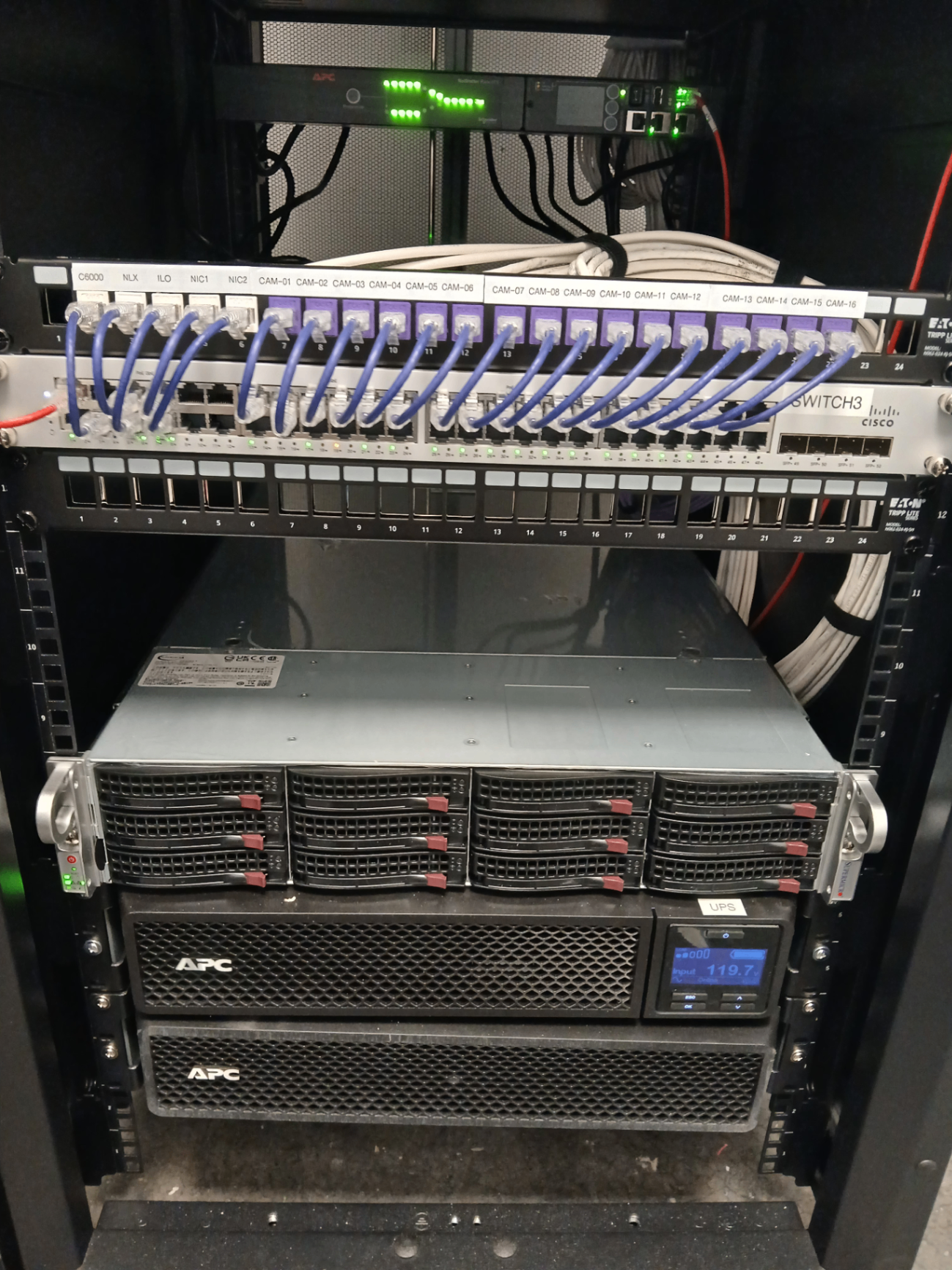
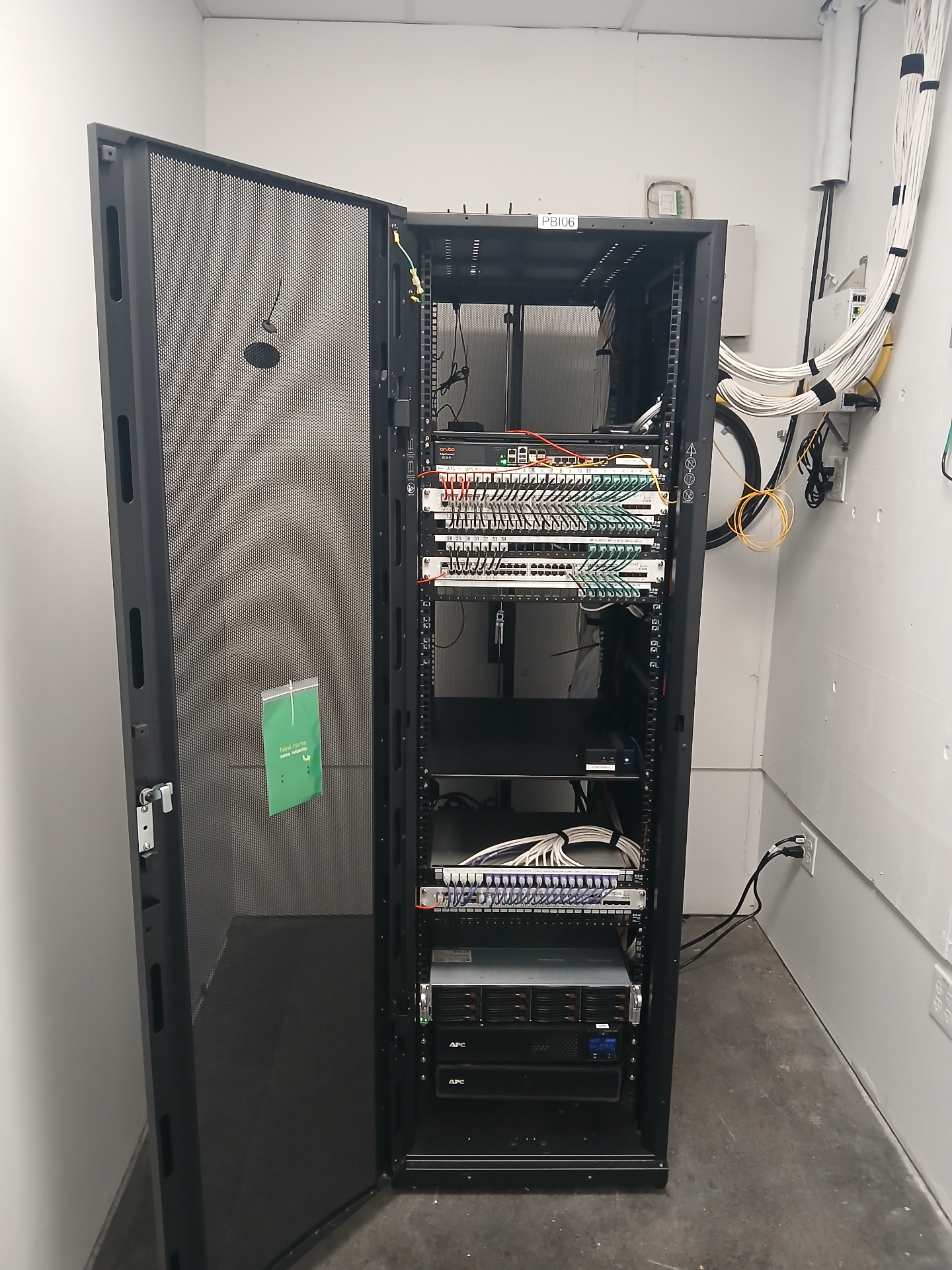
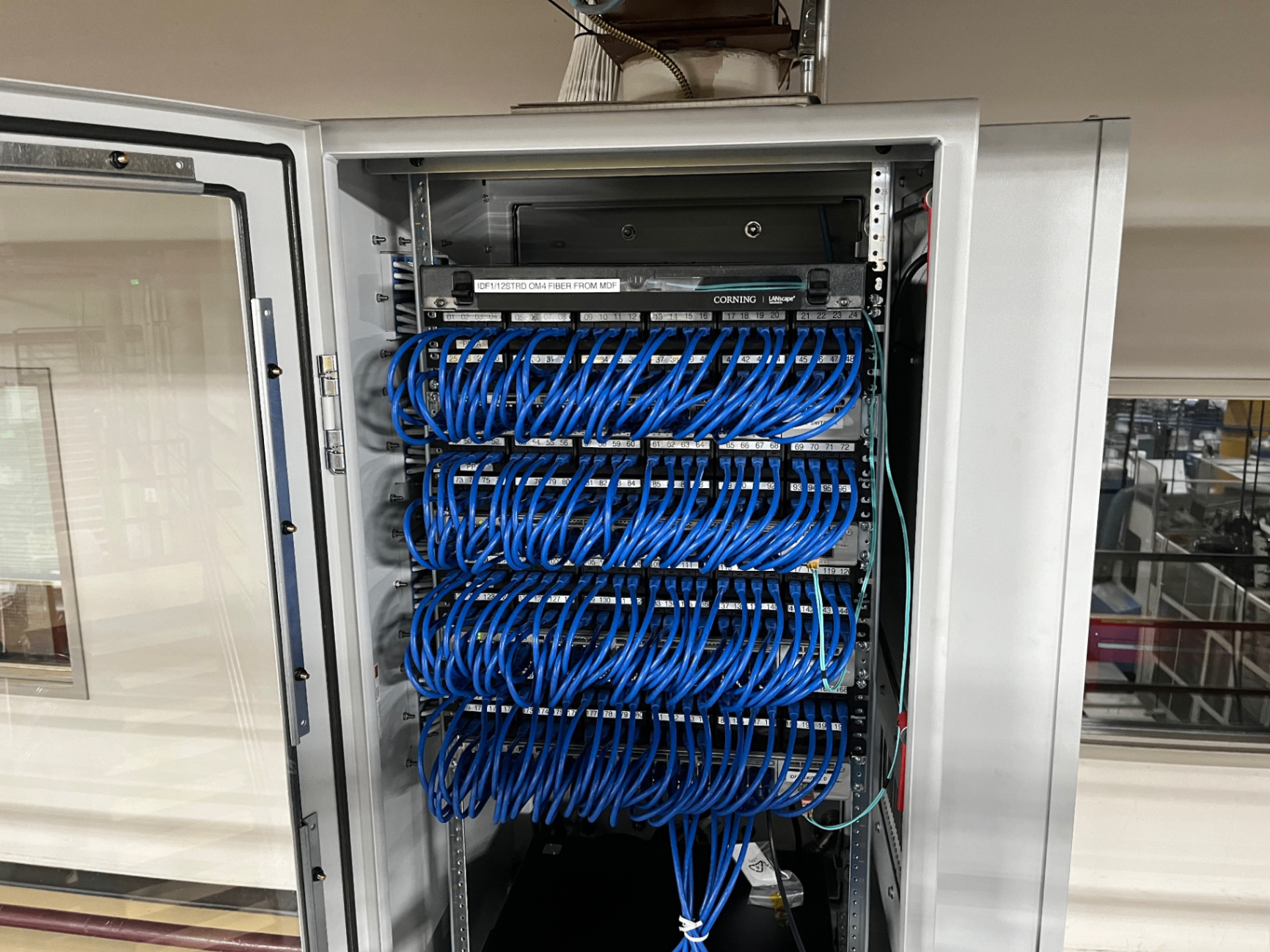
Representative equipment and examples of the systems our team installs and supports.
Often paired with this work.
Serving Tampa Bay and surrounding Florida markets.
We're based in Tampa and travel to job sites throughout the bay area and across Florida. If your project is in the region, we can be on site.
View all service areasPlanning a Low-Voltage Project?
Tell us about the site, scope, and schedule. We'll walk through the requirements and get you a clear, honest quote.