
Access Control Systems
Controlling who goes where, and knowing when they went, is basic expectation for a commercial building now. We install door hardware, controllers, readers, and the cabling that ties them together.
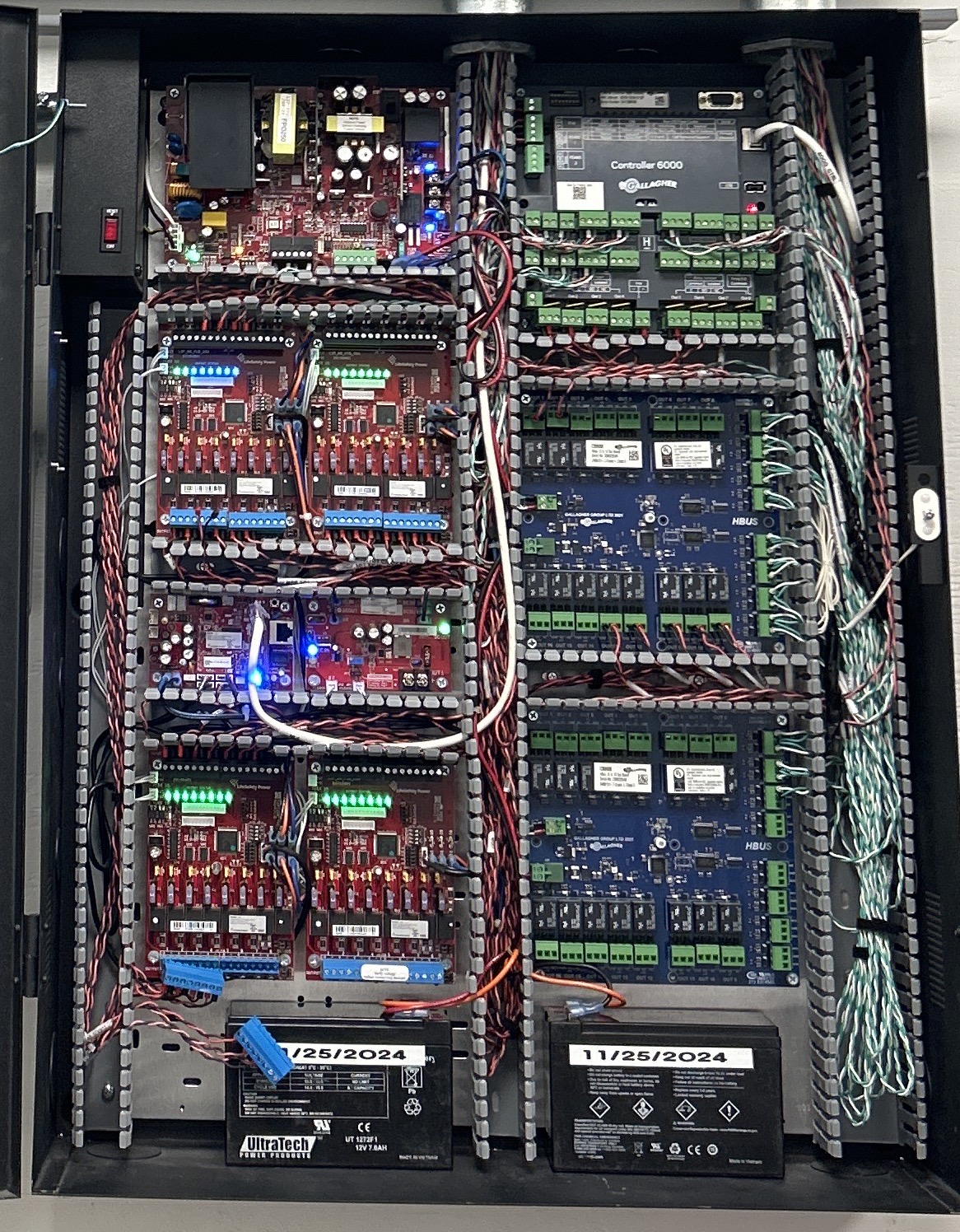
Access control is a system, not a product off a shelf. Getting it right means matching door hardware to how the opening actually gets used, wiring readers and controllers correctly, and leaving you with software your team can run without hiring a specialist.
We cover every layer: electric strikes and maglocks, request-to-exit and door position sensors, controllers, reader technology, and the low-voltage cabling. All of it installed to code and tied into your existing network.
What you get
- Door hardware matched to opening type and code
- Card, fob, PIN, or mobile credential options
- Schedules, groups, and permissions your team can manage
- Audit logs for who opened what, when
- Integrates with camera systems for event review
What we install and support.
Readers & credentials
Card, fob, keypad, or mobile credentials matched to your users.
Door hardware
Strikes, maglocks, REX, DPS, and power supplies sized correctly.
Controllers & panels
IP or serial door controllers wired and configured cleanly.
Users & schedules
Groups, time zones, and holiday schedules built to your policy.
Mobile credentials
Phone-based credentials where they make sense.
Camera integration
Tie access events to camera footage for fast review.
Where this work belongs.
We work across commercial property types throughout Tampa Bay and Florida. If your building type isn't listed here, call and ask.
A repeatable process, from walk to handoff.
Door survey
Inventory openings, hardware, and current use patterns.
Design
Reader, hardware, and controller placement per opening.
Cable
Reader, lock, REX, and DPS runs to the control panel.
Install
Hardware, panels, and power supplies mounted and wired.
Configure
Users, credentials, schedules, and integrations set up.
Train
Admin walkthrough so your team can manage day-to-day.
Details that matter on site.
Fail-safe vs. fail-secure
Fail-safe hardware unlocks when power drops, which is typical for egress and life-safety paths. Fail-secure stays locked, which suits storage and IT rooms. We choose per opening based on its role and the applicable code instead of applying one template to the whole building.
Credential technology matters
Legacy 125 kHz prox cards are easy to clone with cheap hardware. Modern encrypted credentials, whether 13.56 MHz smart cards or mobile, resist casual cloning and can be revoked. On new installs we default to secure formats so the badges you hand out today don't become a problem in a few years.
What clean installs look like.
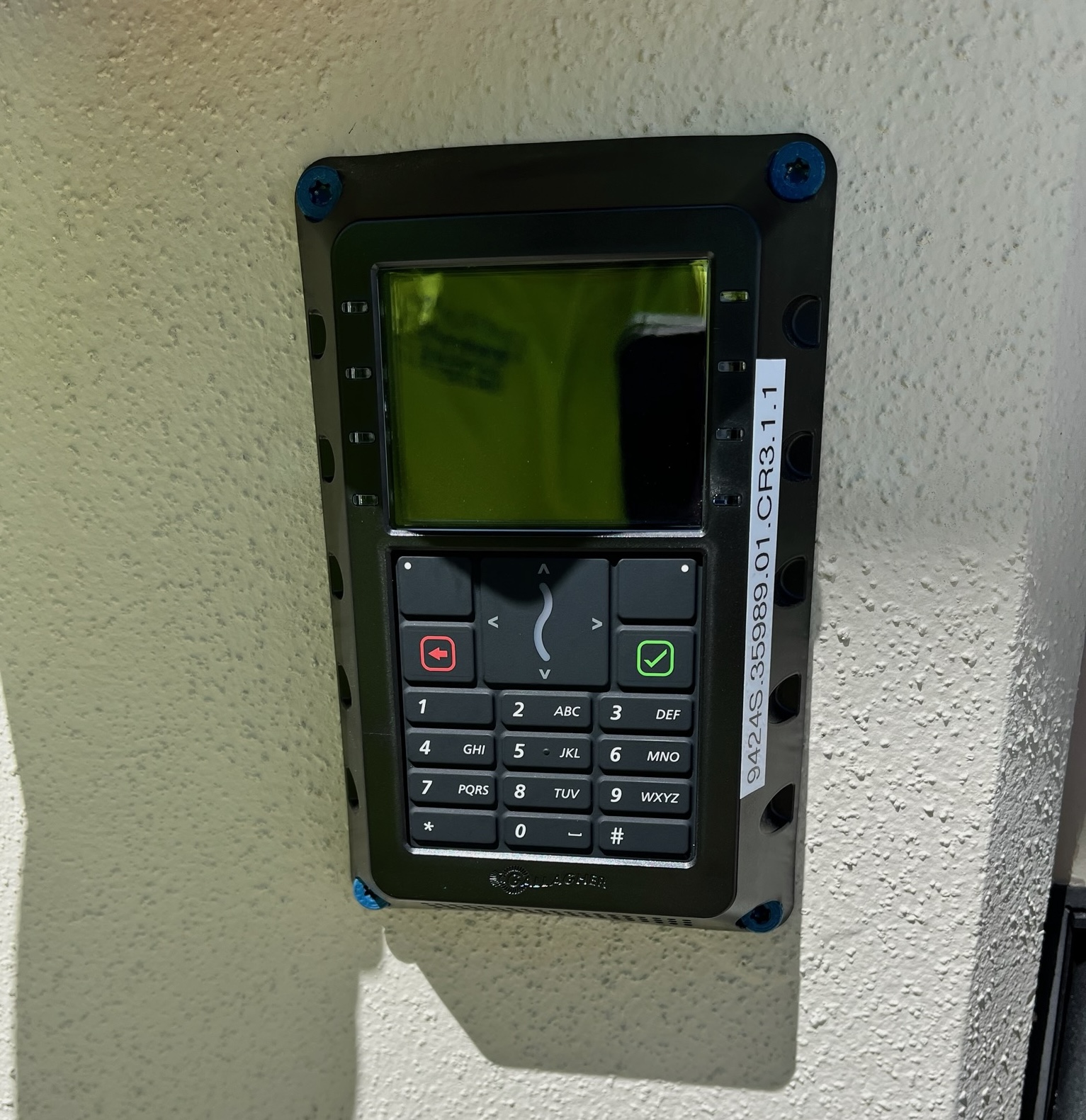
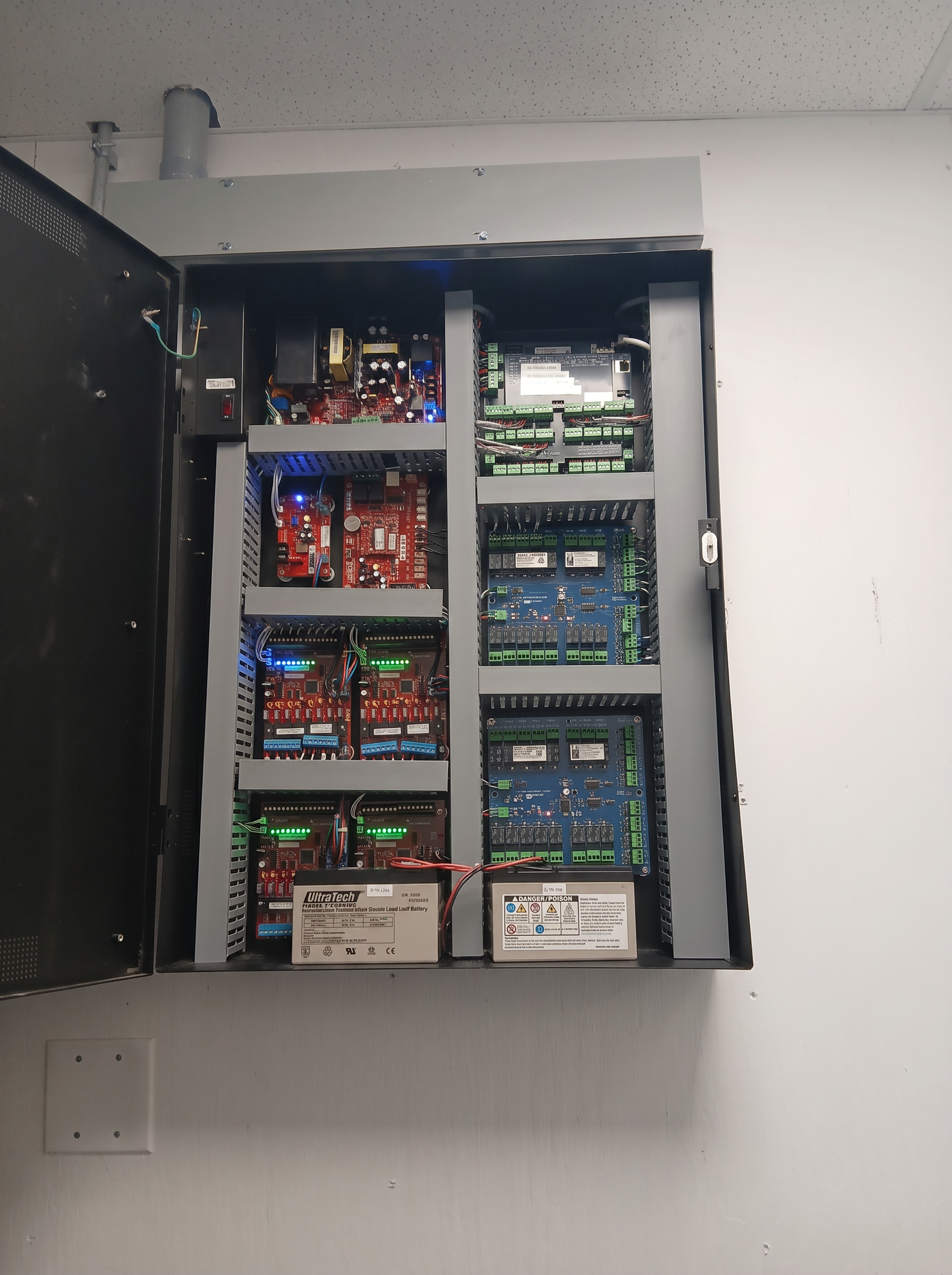
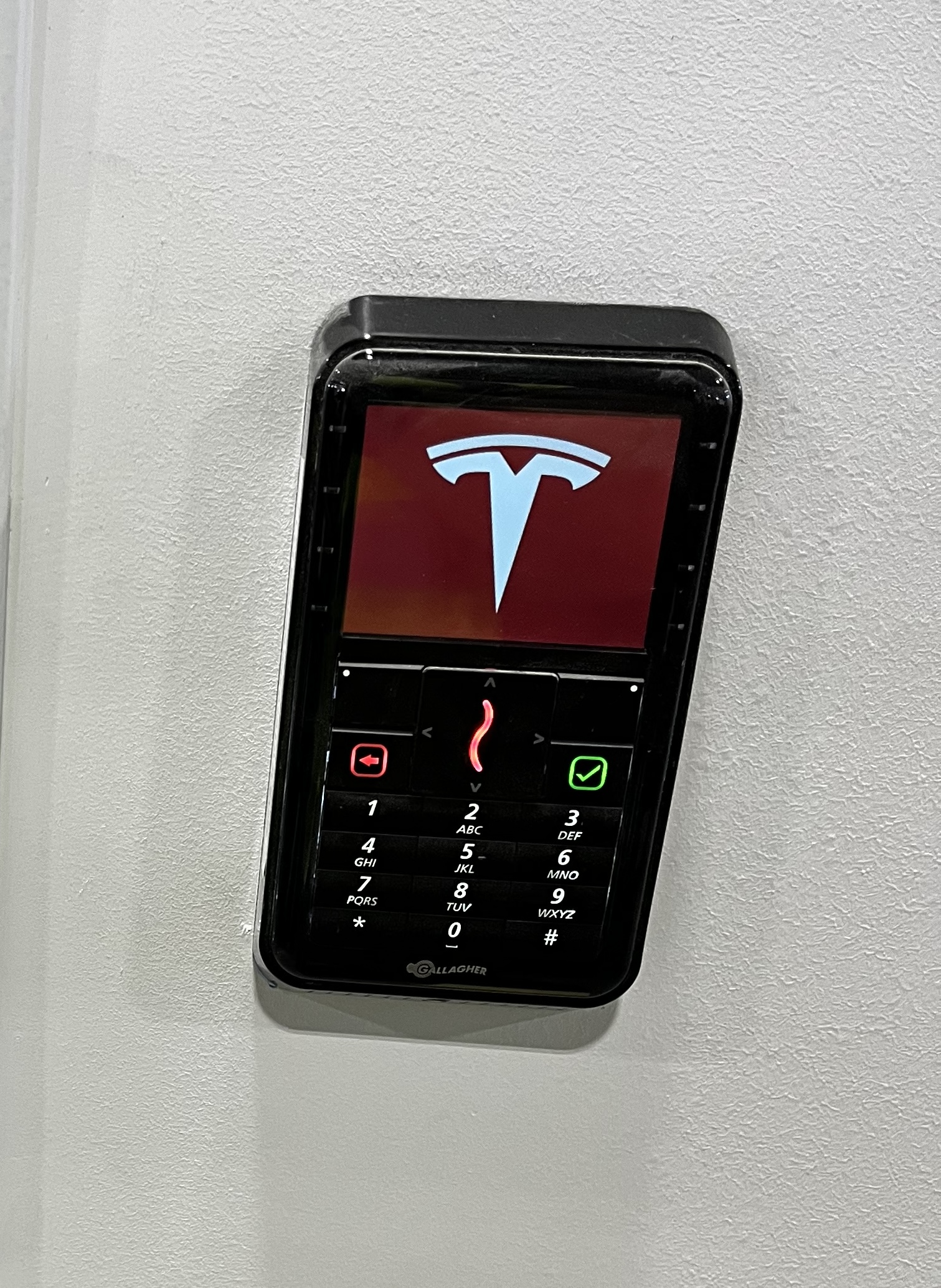
Representative equipment and examples of the systems our team installs and supports.
Often paired with this work.
Serving Tampa Bay and surrounding Florida markets.
We're based in Tampa and travel to job sites throughout the bay area and across Florida. If your project is in the region, we can be on site.
View all service areasPlanning a Low-Voltage Project?
Tell us about the site, scope, and schedule. We'll walk through the requirements and get you a clear, honest quote.